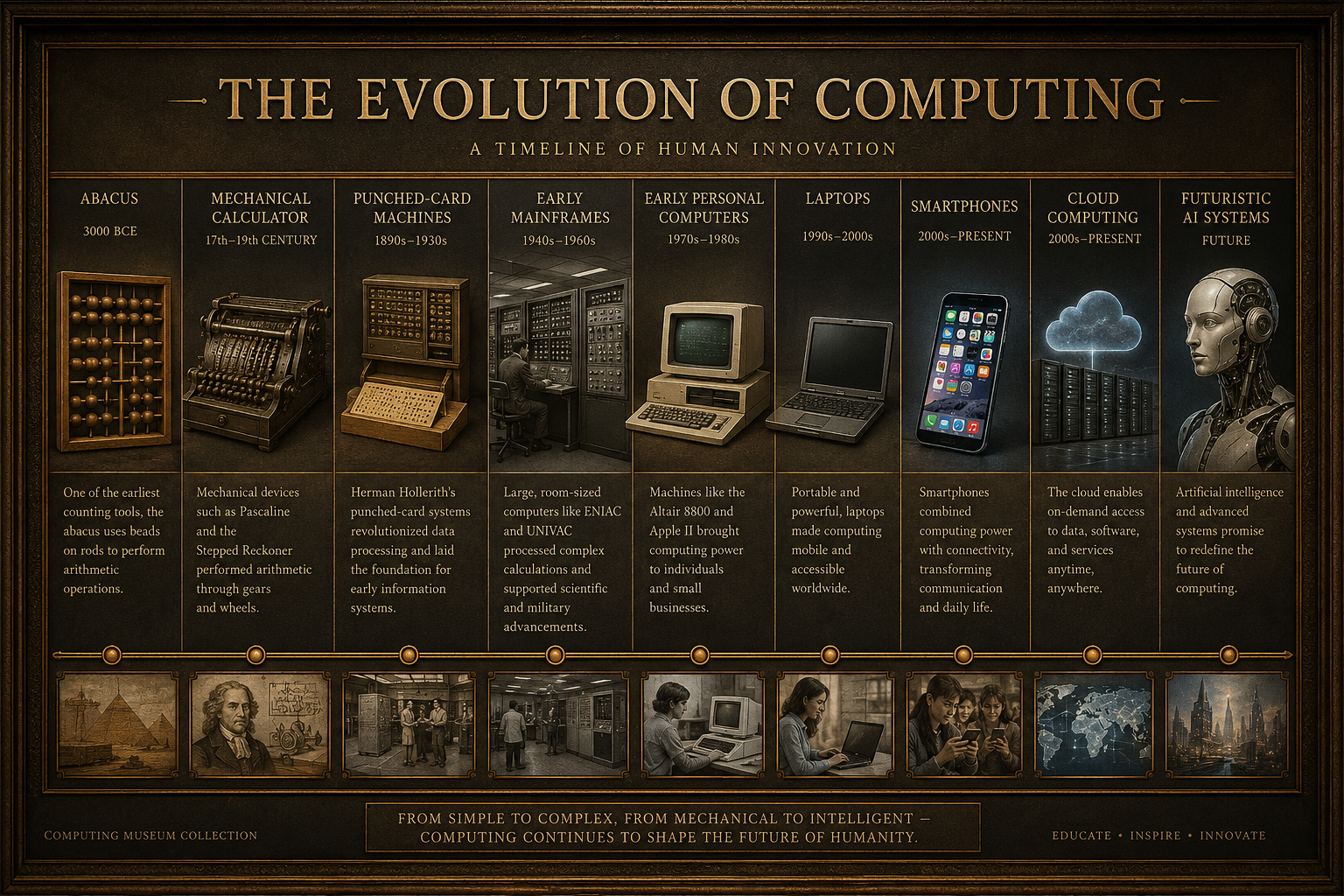
History of Computing
Japhcs
About this Collection
A journey through thousands of years of innovation, tracing the development of computing devices from simple counting tools to modern AI-powered systems. The history of computers spans several millennia. Early civilizations used tools such as the abacus for arithmetic calculations. During the 17th century, inventors developed mechanical calculators capable of performing mathematical operations with greater speed and accuracy. The 19th century introduced revolutionary concepts through Charles Babbage's designs for the Difference Engine and Analytical Engine, laying the foundation for modern programmable computers. The early 20th century saw the rise of punched-card machines used in business and government. During World War II and the decades that followed, electronic computers emerged, occupying entire rooms and processing information at unprecedented speeds. The invention of the transistor and later the microprocessor transformed computing by making machines smaller, faster, and more affordable. The personal computer revolution of the 1970s and 1980s brought computing into homes, schools, and offices. Laptops, smartphones, cloud computing, and artificial intelligence systems now connect billions of people and power much of modern society. Today, computers are indispensable tools driving scientific discovery, communication, commerce, education, and creative expression.
Collection Summary
Museum
Japhcs
Artifacts
2
Status
Public
Artifacts in this Collection
2 Artifacts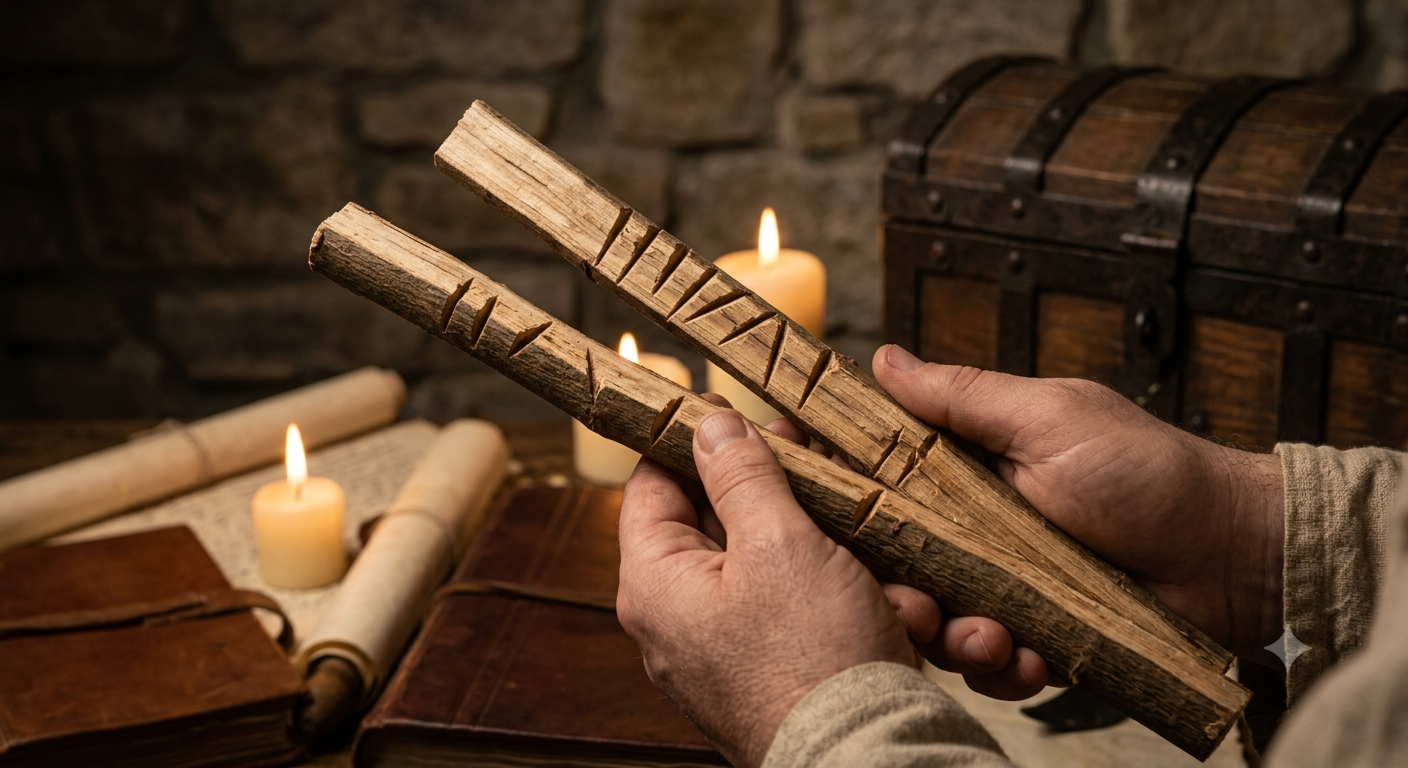
Early Counting and Calculation Devices
Prehistoric TimesPrehistoric Times
Before computers existed, people needed ways to count, record numbers, and perform calculations. Ove...
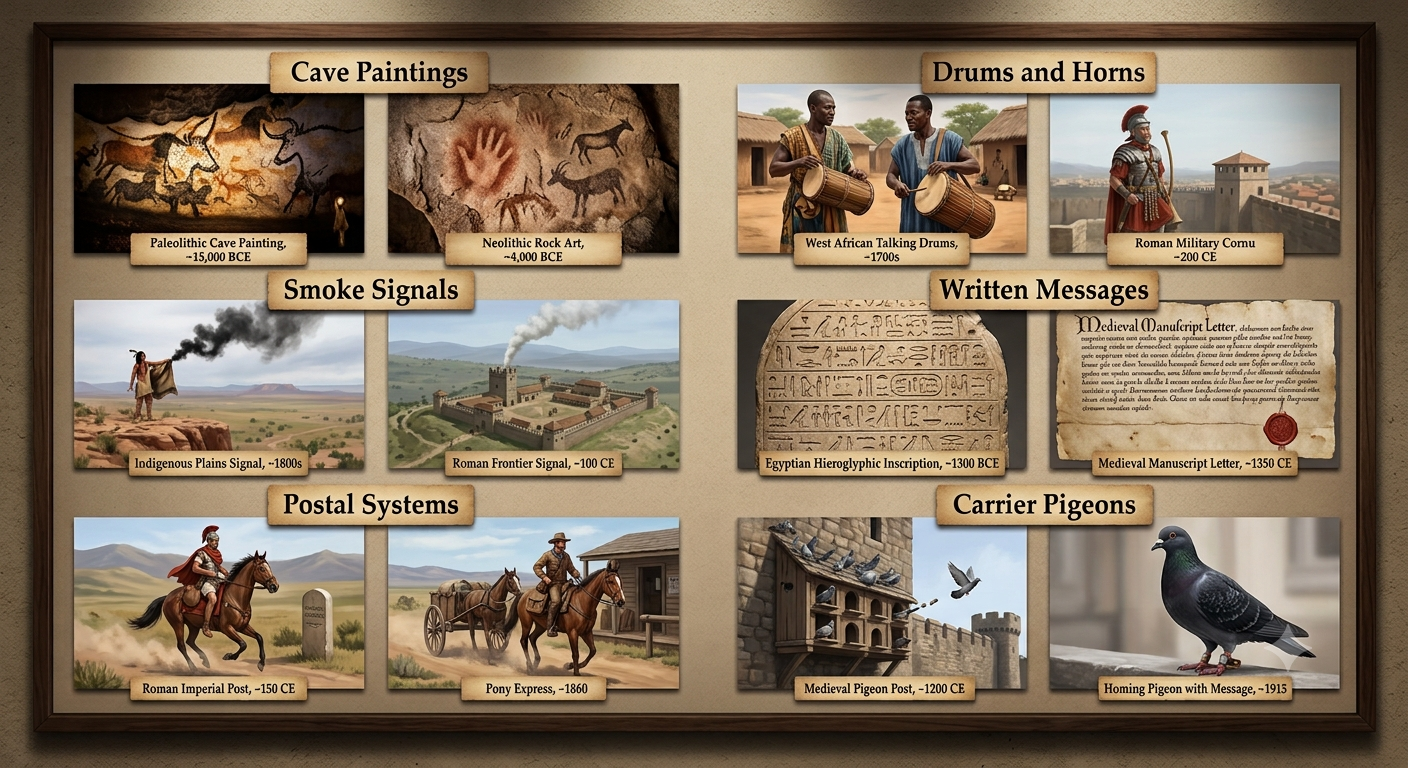
Early Methods of Communication
Ancient CivilizationsPrehistoric Era,Ancient Civilizations
Ancient paintings depicting animals, hunting scenes, and daily life, used to record information and ...
Continue Exploring
Browse all artifacts or discover more museum collections.