Artifact Gallery
Explore additional views of this artifact.
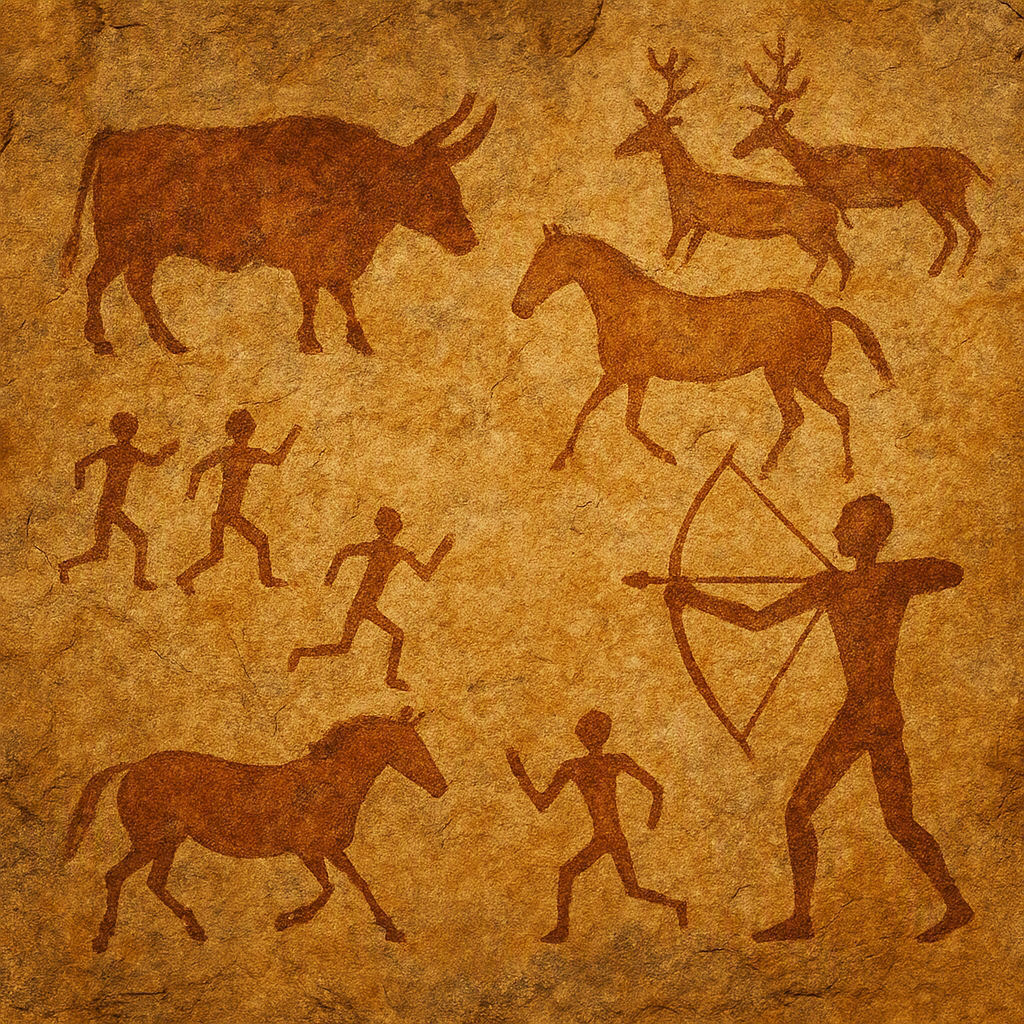
Cave painting
Paintings depicted animals, hunting scenes, daily activities, and spiritual beliefs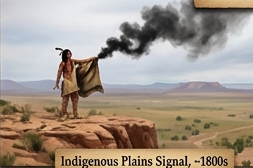
Smoke
Used to warn of danger, announce important events, and coordinate activities between distant communities
Drums
Different rhythms and sounds represented specific meanings.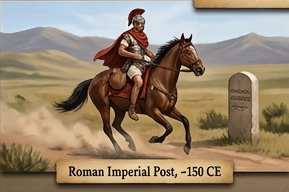
Postal services
Couriers traveled by foot, horseback, ships, and mail coaches to transport letters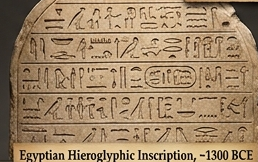
Written Communication
Formed the foundation of administration, trade, education, and civilization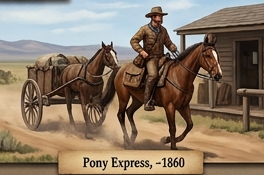
Postal Services
. Postal services improved communication, strengthened governments, and supported the growth of commerce
Carrier Pigeons
Messages were attached to special capsules carried by the birds.
Carrier Pigeons
Pigeons were valuable messengers during wartime, trade, and emergencies, long before telephones or the internet existedAbout this Artifact
Ancient paintings depicting animals, hunting scenes, and daily life, used to record information and communicate ideas. Smoke signals transmitted coded messages across large distances using visible smoke patterns,Signal drums and horns produced distinctive sounds carrying messages over long distances.Early written records used to communicate laws, trade information, and personal messages.Early postal services used couriers, horses, and coaches to transport messages over large distances.Trained pigeons carried written messages between distant locations and were widely used in trade and warfare.
Historical Significance
Cave Paintings Historical Significance: The earliest known form of human communication and record-keeping, used to share information, tell stories, and preserve cultural knowledge. Smoke Signals Historical Significance: Provided one of the first methods of long-distance communication, allowing messages and warnings to be transmitted quickly across large areas. Drums and Horns Historical Significance: Enabled communities to communicate over long distances through sound signals, helping with coordination, ceremonies, and emergency warnings. Written Messages Historical Significance: Revolutionized communication by making it possible to record, preserve, and transmit information accurately across generations. Postal Systems Historical Significance: Established organized networks for delivering messages, improving government administration, trade, and communication between regions. Carrier Pigeons Historical Significance: Provided a fast and reliable method of message delivery before modern telecommunications, especially during wars and emergencie
Exhibit Information
| Category | Photos |
|---|---|
| Origin | Prehistoric Era,Ancient Civilizations |
| Culture | Early Hunter-Gatherer Societies |
| Historical Period | Ancient Civilizations |
| Material | stone walls |
| Estimated Age | Over 2000 years old |
| Dimensions | - |
| Weight | - |
| Discovery Site | Global |
Image Gallery
Explore additional photographs of this artifact.
Early Methods of Communication
Paintings depicted animals, hunting scenes, daily activities, and spiritual beliefs
Early Methods of Communication
Used to warn of danger, announce important events, and coordinate activities between distant communities
Early Methods of Communication
Different rhythms and sounds represented specific meanings.
Early Methods of Communication
Couriers traveled by foot, horseback, ships, and mail coaches to transport letters
Early Methods of Communication
Formed the foundation of administration, trade, education, and civilization
Early Methods of Communication
. Postal services improved communication, strengthened governments, and supported the growth of commerce
Early Methods of Communication
Messages were attached to special capsules carried by the birds.
Early Methods of Communication
Pigeons were valuable messengers during wartime, trade, and emergencies, long before telephones or the internet existed
Early Methods of Communication
Each early communication method laid the foundation for modern technologies such as the telegraph, telephone, computers, and the internet. The history of communication is ultimately the story of humanity's constant effort to connect, share knowledge, and overcome distance.
Audio Narrations
Listen to curator explanations and AI-powered museum narrations.
AI Museum Narration
Jenny
Welcome to HISTORIA Virtual Museum. Today you are viewing the artifact titled "Early Methods of Communication". This artifact belongs to the category of Photos. It originates from Prehistoric Era,Ancient Civilizations. It is associated with the Early Hunter-Gatherer Societies culture and dates back to the Ancient Civilizations period. The artifact is made from stone walls. Ancient paintings depicting animals, hunting scenes, and daily life, used to record information and communicate ideas. Smoke signals transmitted coded messages across large distances using visible smoke patterns,Signal drums and horns produced distinctive sounds carrying messages over long distances.Early written records used to communicate laws, trade information, and personal messages.Early postal services used couriers, horses, and coaches to transport messages over large distances.Trained pigeons carried written messages between distant locations and were widely used in trade and warfare. This artifact is historically significant because Cave Paintings Historical Significance: The earliest known form of human communication and record-keeping, used to share information, tell stories, and preserve cultural knowledge. Smoke Signals Historical Significance: Provided one of the first methods of long-distance communication, allowing messages and warnings to be transmitted quickly across large areas. Drums and Horns Historical Significance: Enabled communities to communicate over long distances through sound signals, helping with coordination, ceremonies, and emergency warnings. Written Messages Historical Significance: Revolutionized communication by making it possible to record, preserve, and transmit information accurately across generations. Postal Systems Historical Significance: Established organized networks for delivering messages, improving government administration, trade, and communication between regions. Carrier Pigeons Historical Significance: Provided a fast and reliable method of message delivery before modern telecommunications, especially during wars and emergencie Thank you for visiting HISTORIA Virtual Museum. We hope you enjoy exploring the rest of our collections.
AI Museum Experience
Explore an AI-enhanced interpretation of this artifact.
Historical Information
Discover the historical background and characteristics of this artifact.
Category
Photos
Historical Period
Ancient Civilizations
Origin
Prehistoric Era,Ancient Civilizations
Culture
Early Hunter-Gatherer Societies
Material
stone walls
Estimated Age
Over 2000 years old
Discovery Location
Global
Current Condition
Good
Historical Significance
Cave Paintings Historical Significance: The earliest known form of human communication and record-keeping, used to share information, tell stories, and preserve cultural knowledge. Smoke Signals Historical Significance: Provided one of the first methods of long-distance communication, allowing messages and warnings to be transmitted quickly across large areas. Drums and Horns Historical Significance: Enabled communities to communicate over long distances through sound signals, helping with coordination, ceremonies, and emergency warnings. Written Messages Historical Significance: Revolutionized communication by making it possible to record, preserve, and transmit information accurately across generations. Postal Systems Historical Significance: Established organized networks for delivering messages, improving government administration, trade, and communication between regions. Carrier Pigeons Historical Significance: Provided a fast and reliable method of message delivery before modern telecommunications, especially during wars and emergencie
Related Artifacts
Explore more artifacts from this collection.